

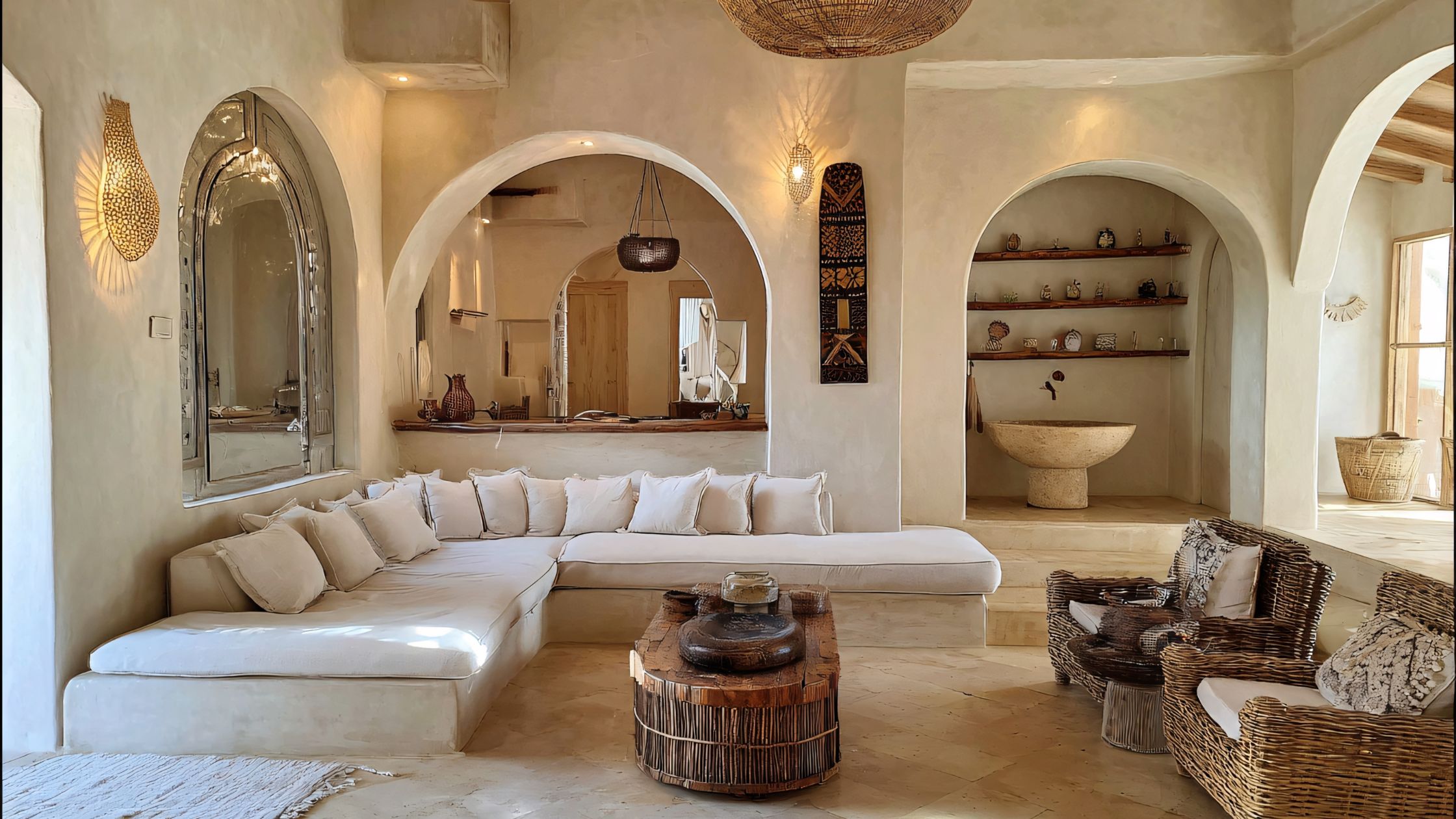
Dubai continues to set benchmarks in architecture, luxury living, and commercial innovation. As we move into 2026, interior design in Dubai is evolving toward refined minimalism, integrated technology, sustainable practices, and elevated material palettes. The city’s dynamic real estate market — spanning luxury villas, high-rise apartments, retail spaces, and commercial offices — demands interiors that combine aesthetic sophistication with technical performance.
At Sinas Interior, a Dubai-based interior fit-out specialist serving the UAE and GCC, the focus remains on translating global trends into practical, high-performance spaces suited to regional lifestyles and climate conditions. Here are the top interior design trends in Dubai 2026 shaping residential and commercial environments.
1. Refined Minimalism with Warm Undertones
Minimalism continues to dominate interior design in Dubai, but 2026 introduces a warmer, more layered interpretation. Instead of stark white palettes, designers are incorporating warm neutrals such as sand beige, greige, muted taupe, and earthy tones that complement natural sunlight.
This trend emphasizes:
Clean architectural lines
Hidden storage solutions
Textured wall finishes
Soft layered lighting
The result is a sophisticated yet inviting space that balances luxury with comfort — ideal for modern Dubai villas and apartments.
2. Smart Home Integration as a Standard
Smart living is no longer a premium add-on; it is a standard expectation in luxury interior design in Dubai. Automation systems now seamlessly control lighting, climate, security, entertainment, and shading solutions.
In 2026, smart interiors focus on:
Voice-controlled environments
AI-powered security systems
Energy monitoring dashboards
Automated lighting scenes
Technology is discreetly integrated within the design, ensuring aesthetics remain uninterrupted while functionality is enhanced.
3. Sustainable and Energy-Efficient Interiors
Sustainability is a key driver in Dubai’s interior design industry. With growing awareness of environmental impact and operational costs, both residential and commercial clients are prioritizing eco-conscious solutions.
Trending sustainable elements include:
LED lighting systems
Energy-efficient HVAC integration
Sustainable wood veneers
Low-VOC paints and finishes
Thermal insulation enhancements
Interior fit-out companies in Dubai are increasingly incorporating materials that are durable, climate-resistant, and environmentally responsible.
4. Statement Marble & Natural Stone Finishes
Natural stone continues to define luxury interior design in Dubai. In 2026, bold marble slabs with dramatic veining are used as statement features in living rooms, bathrooms, and hospitality spaces.
Popular applications include:
Full-height marble feature walls
Waterfall kitchen islands
Sculptural stone reception desks
Integrated stone shelving
The emphasis is on using fewer but higher-quality materials to create visual impact.
5. Indoor-Outdoor Living Integration
Given Dubai’s architectural style and lifestyle preferences, seamless indoor-outdoor transitions remain a defining trend. Large sliding glass doors, unified flooring materials, and shaded outdoor lounges extend interior spaces into terraces and landscaped gardens.
Luxury villa interiors increasingly incorporate:
Outdoor kitchens
Covered pergolas
Integrated lighting for landscaping
Weather-resistant luxury furnishings
This approach enhances usability while maintaining architectural continuity.
6. Multi-Functional Spaces
The evolution of work-from-home culture continues to influence interior design trends in Dubai 2026. Villas and apartments are being designed with flexible layouts that adapt to changing needs.
Key features include:
Convertible home offices
Foldable partitions
Acoustic wall treatments
Built-in workstations within living spaces
Commercial interiors also reflect this trend, with adaptable meeting rooms and collaborative work zones.
7. Layered Lighting Concepts
Lighting design is becoming more architectural and intentional. Instead of relying on central fixtures alone, designers are layering ambient, task, and accent lighting to create mood and depth.
In Dubai interiors, this translates to:
Cove lighting in ceilings
Wall washers to highlight textures
Sculptural chandeliers in double-height spaces
Integrated LED strips in joinery
Lighting is no longer just functional — it is a core design element shaping perception and atmosphere.
8. Textural Depth & Mixed Materials
Luxury interiors in 2026 are defined by texture. Smooth marble is paired with fluted wood paneling, brushed metal accents, and matte finishes to create contrast.
Material layering enhances:
Visual depth
Acoustic performance
Tactile experience
This trend is particularly visible in high-end residential villas and premium commercial fit-outs in Dubai.
9. Hospitality-Inspired Residential Design
Dubai homeowners increasingly seek hotel-inspired luxury within private residences. This includes spa-style bathrooms, walk-in wardrobes with integrated lighting, and statement headboards in master suites.
Elements influencing this trend:
Oversized mirrors
High-gloss finishes
Boutique-style lighting
Customized upholstery
The goal is to replicate five-star comfort within everyday living environments.
10. Cultural Sensitivity with Contemporary Interpretation
Interior design in Dubai must reflect both global aesthetics and regional cultural considerations. Privacy planning, dedicated majlis areas, and formal reception spaces remain essential in many villa designs.
In 2026, these spaces are being reinterpreted with:
Contemporary furniture layouts
Neutral yet rich material palettes
Modern lighting installations
Subtle traditional detailing
This fusion ensures cultural relevance while maintaining a forward-thinking design language.
11. Acoustic & Performance-Oriented Design
As interiors become more open-plan, acoustic comfort is gaining importance. Sound-absorbing panels, upholstered wall treatments, and advanced ceiling systems are integrated into both residential and commercial spaces.
This trend ensures:
Improved privacy
Enhanced meeting room performance
Greater comfort in large villas
Performance-based design is becoming a technical necessity rather than an optional upgrade.
12. Custom Joinery & Built-In Detailing
Bespoke joinery remains central to luxury interior design in the UAE. Custom cabinetry, integrated storage systems, and detailed paneling allow designers to maintain clean lines while maximizing functionality.
In 2026, the focus is on:
Concealed storage
Flush-finish wardrobes
Minimal hardware
Precision craftsmanship
Custom-built elements create a tailored, high-end finish that distinguishes premium interiors.
The Future of Interior Design in Dubai
The top interior design trends in Dubai 2026 reflect a city that values innovation, efficiency, and elevated living standards. Interiors are becoming smarter, more sustainable, and increasingly personalized.
For property owners and developers, the key lies in partnering with experienced interior fit-out specialists who understand both global design movements and regional requirements. With decades of expertise in retail, commercial, residential, and hospitality fit-outs across the UAE and GCC, Sinas Interior continues to deliver turnkey solutions aligned with Dubai’s evolving design landscape.
As Dubai moves forward, interior design will remain at the forefront of lifestyle transformation, shaping spaces that are not only visually striking but technically sound and future-ready.
